
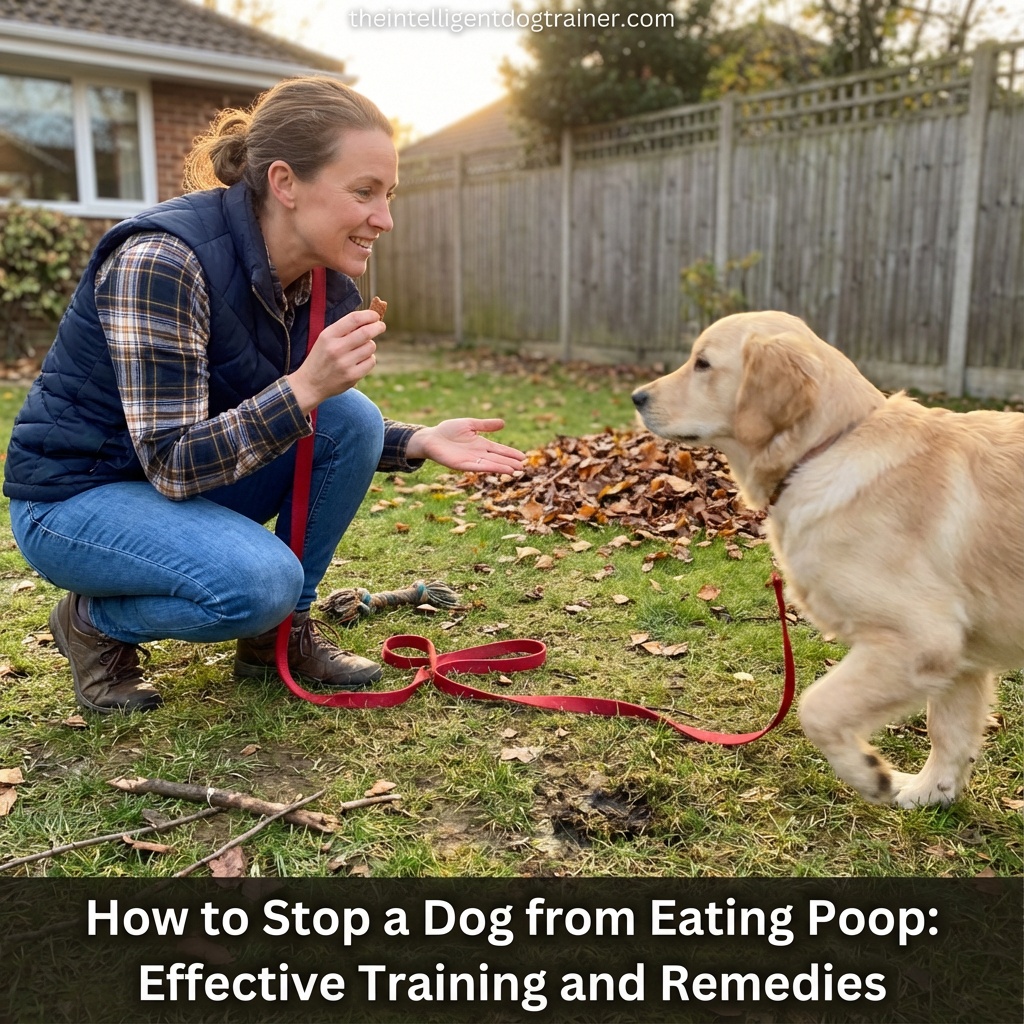
It is a scenario that makes every pet owner cringe: you turn around in the backyard only to find your furry friend engaging in the habit of consuming waste. While it feels repulsive to us, this behavior is a known condition that vets and behaviorists have studied for decades.
Understanding how to stop a dog from eating poop requires a blend of patience, medical screening, and consistent positive reinforcement. In this guide, we will explore why this happens and provide you with actionable steps to reclaim a clean-mouthed companion in 2025.
Understanding Coprophagia in Dogs and Why It Happens
The technical term for this behavior is coprophagia in dogs, and while it is unsightly, it is actually quite common. To solve the problem, we must first ask: Why is my dog suddenly eating their own poop?
Often, it stems from an instinctual behavior inherited from their wild ancestors, who cleaned the den to avoid attracting predators. In other cases, it is purely exploratory or a result of boredom and anxiety.
Many owners wonder, is eating poop harmful or dangerous for dogs? While the act itself is usually harmless if it is their own waste, it can transmit parasites or viruses if they consume the stool of other animals.
If you are struggling with a dog that has developed bad habits due to boredom, learning how to train a dog properly can provide the mental stimulation they need to stop buscando “snacks” in the garden.
Identifying Common Nutrient Deficiency Symptoms in Your Pet
One of the most frequent questions owners ask is: Is coprophagia a sign of nutritional deficiency? The answer is often yes.
If a dog’s diet lacks certain enzymes or B vitamins, they may instinctively seek out discarded waste to reclaim those lost nutrients. Common dog nutrient deficiency symptoms include a dull coat, lethargy, or weight loss despite a high caloric intake.
When a dog isn’t absorbing nutrients correctly, they might turn to stool as a secondary source of undigested protein. If you notice these signs, it is vital to consult a professional.
When should I see a vet about coprophagia? You should book an appointment if the behavior starts suddenly or is accompanied by digestive upset.
Interestingly, even when you train an older dog to follow new house rules, dietary adjustments are often the “missing link” in curb-side behavior changes.
Management and Safe Stool Eating Deterrents for Dogs
Effective management is the first line of defense to stop a dog from eating poop. This usually involves immediate cleanup of the yard so the temptation is removed.
However, for dogs that are remarkably fast, you might consider commercial stool eating deterrents for dogs. These are often tablets or powders added to the dog’s food that make the resulting waste taste bitter or unappealing.
In some cases, physical management is necessary for high-risk environments like public parks. For example, learning how to muzzle train a dog can prevent them from scavenging during off-leash walks without causing them stress.
This ensures they cannot ingest harmful bacteria or pathogens while you work on long-term behavioral changes. Remember that punishment does not stop a dog from eating waste; it usually just teaches them to hide the behavior from you.
Simple Home Remedies for a Dog Eating Poop Regularly
If you prefer a natural approach, there are several home remedies for dog eating poop that many owners swear by. Adding a small amount of canned pineapple, pumpkin, or even a dash of meat tenderizer to their meals can alter the pH and scent of the stool.
You might ask, does feeding pineapple stop a dog from eating poop? While not a guaranteed cure, many find it makes the stool less “fragrant” and less enticing for the dog.
Sometimes, this behavior is linked to a digging habit or general yard-seeking scavenging. Just as owners look for ways to stop a dog from digging, finding ways to keep the yard “uninteresting” is key.
How do I clean my dog’s mouth after they eat poop? Use a damp cloth to wipe their muzzle and offer a dental chew or some fresh water to help rinse out the bacteria.
Training Tips to Stop a Puppy From Eating Poop Fast
Puppies are the most frequent offenders of this habit. Will my puppy eventually grow out of eating poop? Most do, as they learn more about their environment and transition to stable adult food.
However, you must actively stop puppy from eating poop before it becomes a lifelong compulsion. This starts with a rock-solid routine.
Focusing on the fundamentals of how to potty train a puppy is the best way to monitor their bathroom habits.
By being present during every “potty break,” you can distract them with a high-value treat the moment they finish their business, rewarding them for turning their back on the waste. This builds a positive association with leaving the stool alone.
Prevention Strategies for a Long-Term Behavioral Solution
A long-term solution requires a “Leave It” command that works even in the face of the ultimate temptation. You must also consider internal factors, such as: Can parasites cause a dog to eat stool?
Yes, internal parasites can leach nutrients, leaving the dog feeling constantly hungry. Keeping your dog on a regular deworming schedule is a vital preventative step alongside routine vaccinations.
In terms of breed-specific traits, you might wonder: Are certain breeds more prone to this behavior? Studies suggest that greedy eaters, like Labradors or Hounds, are more likely to engage in coprophagia.
To master the final step of prevention, you must how to teach a dog to leave it with total reliability. This command gives you verbal control over your dog’s impulses, ensuring their mouth stays clean and your yard stays hygienic.
In summary, overcoming coprophagia involves checking your dog’s health for nutrient deficiencies, maintaining a spotless yard, and using positive training techniques. By combining dietary management with consistent redirection, you can successfully break this cycle and ensure your dog remains healthy and happy.