
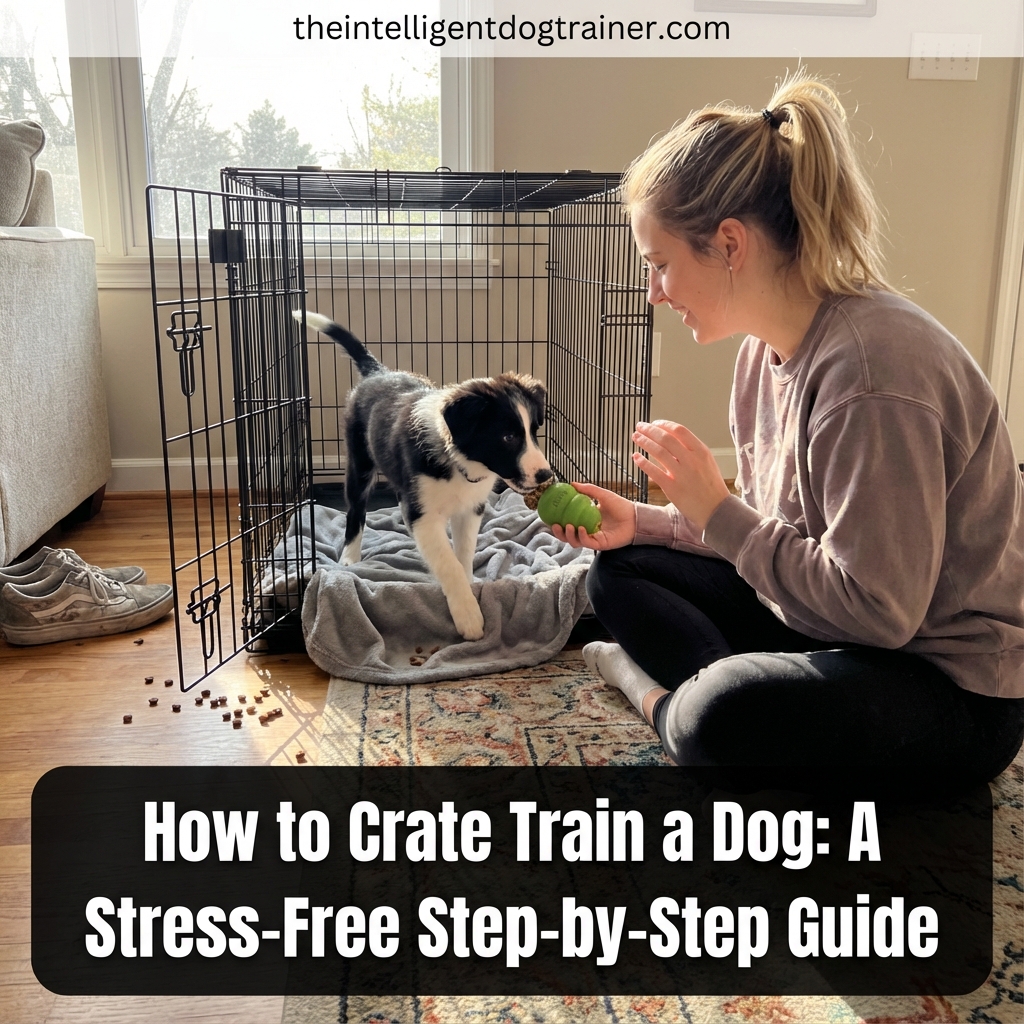
Integrating a crate into your dog’s lifestyle is one of the most compassionate and practical decisions you can make as a pet owner. Far from being a “cage,” a properly introduced crate serves as a modern-day indoor den, providing your canine companion with a secure sanctuary where they can relax and feel safe.
When you set out to crate train a dog, you are not just managing their environment; you are tapping into their natural biological instincts as den animals. This guide will walk you through the essential steps to ensure the process is stress-free, rewarding, and scientifically grounded.
Helping your pet view their crate as their favorite spot in the house is the ultimate goal of this training journey.
Choosing the best size crate for dog training
Finding the best size crate for dog training is the critical first step in ensuring your pet’s comfort and safety. If the crate is too small, your dog will feel cramped and anxious; if it is too large, they may use one corner as a bedroom and the other as a bathroom.
How do I know if the crate is the right size? Ideally, your dog should be able to stand up without slouching, turn around in a full circle comfortably, and lie down with their legs extended.
For growing puppies, look for crates that include a “divider panel,” allowing you to expand the living space as they grow at their own pace.
When setting up the space, many owners ask, what should I put inside the crate to make it comfortable? A soft, chew-resistant mat or a familiar blanket is essential for creating a cozy atmosphere.
You want to cultivate a welcoming environment that mirrors the principles of positive reinforcement dog training by making the interior highly rewarding.
What is the best location for the crate in my home? It is usually best to place it in a “people-centric” area like the living room so the dog doesn’t feel isolated, yet in a quiet corner where they won’t be disturbed.
Remember that the goal is to build a positive association with the physical space from day one.
Implementing a daily puppy crate training schedule
Consistency is the secret ingredient to successful canine education. Establishing a puppy crate training schedule helps your new pet understand the rhythm of the day, reducing the uncertainty that often leads to accidents or anxiety.
A typical routine involves alternating between active play, potty breaks, and “down-time” in the crate. This structured approach helps puppies develop bladder control and prevents them from becoming overstimulated by their environment.
Should I feed my dog in the crate? Absolutely; serving meals inside the crate is a fantastic way to build a strong positive association with being inside.
The frequency of breaks is vital for overall success. How many hours safely can a dog stay in a crate? For young puppies, the rule of thumb is their age in months plus one.
For example, a three-month-old can typically hold it for four hours, while adult dogs should generally not exceed 6–8 hours during the day. By following a dedicated puppy training schedule, you provide the predictability your dog needs.
How long does it take to fully crate train a dog? While every animal is unique, most dogs become fully comfortable with the routine within two to four weeks of consistent, gentle practice.
Fun crate training games to build positive associations
To ensure your dog loves their “den,” you should incorporate crate training games into your daily interaction. These activities transform the crate from a place of confinement into a fun destination.
One popular game is the “treat fairy,” where you hide high-value rewards inside the crate for your dog to discover throughout the day. You can also practice “fetch” by tossing toys into the crate and rewarding the dog for going in to retrieve them.
These games utilize the learning theory known as classical conditioning, where the crate becomes a reliable predictor of great things.
Engaging your dog’s mind is just as important as physical exercise. Providing mental stimulation for dogs inside the crate—such as frozen food puzzles or long-lasting chews—keeps them occupied and prevents boredom.
This variety of activities helps answer the common question: is crate training cruel or beneficial for dogs? When done correctly through games and rewards, it is highly beneficial, providing a safe retreat.
The mental engagement ensures that the dog views the crate as a productive, relaxing space rather than a place of social exclusion or punishment.
How to crate train at night for a peaceful sleep
Learning how to crate train at night is often the biggest hurdle for new owners. During those first few nights, it is incredibly helpful to keep the crate in your bedroom so your dog can hear your breathing and feel your presence.
This reduces the fear of isolation. Ensure the dog has had a final potty break and a bit of calm movement before bed.
If your dog is restless, you might consider using the crate in conjunction with teaching them a “settle” behavior. This is closely related to learning how to teach a dog the place command, which creates a clear boundary for sleep time.
A common concern during the early stages of the training season is: what should I do if my dog cries in the crate at night? If the dog is young, they may genuinely need a bathroom break.
Take them out on a leash, keep the interaction boring and quiet, then put them right back inside. If they continue to whine after their immediate needs are met, it is often best to ignore the behavior.
Over time, the dog will learn that nighttime in the crate is for sleeping, not for seeking attention, leading to a much more restful household for everyone involved.
Effective ways to stop dog whining in crate environments
It is natural for dogs to vocalize when they encounter a new restriction, but you must learn how to stop dog whining in crate settings without causing distress. Whining is usually a form of communication.
If the whining or fussing is due to boredom, provide a durable chew toy. If it is due to anxiety, you may need to slow down your training steps.
Many owners wonder, can crate training help with separation anxiety? While it can provide a safe space, a crate alone isn’t a cure; it must be part of a broader plan to help a dog with separation anxiety that includes desensitization.
Never use the crate as a form of punishment. If you shove a barking dog into their crate, they will naturally associate it with your anger, which only increases vocalization and fear.
Instead, reward “quiet” moments with a calm, well-timed treat delivery. By remaining patient and consistent, you teach your pet that calmness is the behavior that earns them freedom.
This approach respects canine communication while setting firm boundaries that prevent long-term behavioral issues like persistent barking or scratching.
Tips for crate training an older dog or rescue
Many people mistakenly believe that “you can’t teach an old dog new tricks,” but crate training an older dog or rescue is entirely possible and often very helpful for their transition. Older dogs may have previous negative associations or may simply be confused by a sudden change in routine.
Can I start crate training an adult rescue dog? Yes, but the key is to go slow. Start by leaving the door open and feeding them near the crate, then gradually move the bowl inside.
Patience is paramount when you train an older dog, as they may require more time to unlearn old habits.
When working with a rescue, keep the initial sessions very short—sometimes just a few seconds is enough at first. Use high-value rewards like pieces of boiled chicken or cheese to build a new, positive history with the crate.
Because an older dog’s history is often a mystery, watch their body language closely for signs of extreme stress. If they show progress, gradually increase the duration they spend inside.
This methodical approach ensures that even a dog with a difficult past can eventually find peace and security in their new indoor den.
Crate training is fundamentally a journey of patience, consistency, and positive reinforcement. By choosing the right size, sticking to a predictable schedule, and using engaging games, you transform a metal or plastic box into a cherished sanctuary.
Whether you are working with a vibrant puppy or a cautious rescue, the goal remains the same: providing your dog with a safe space that promotes calm behavior and psychological well-being.
With these evidence-based techniques, you can ensure your dog feels relaxed and secure in their crate for years to come.