
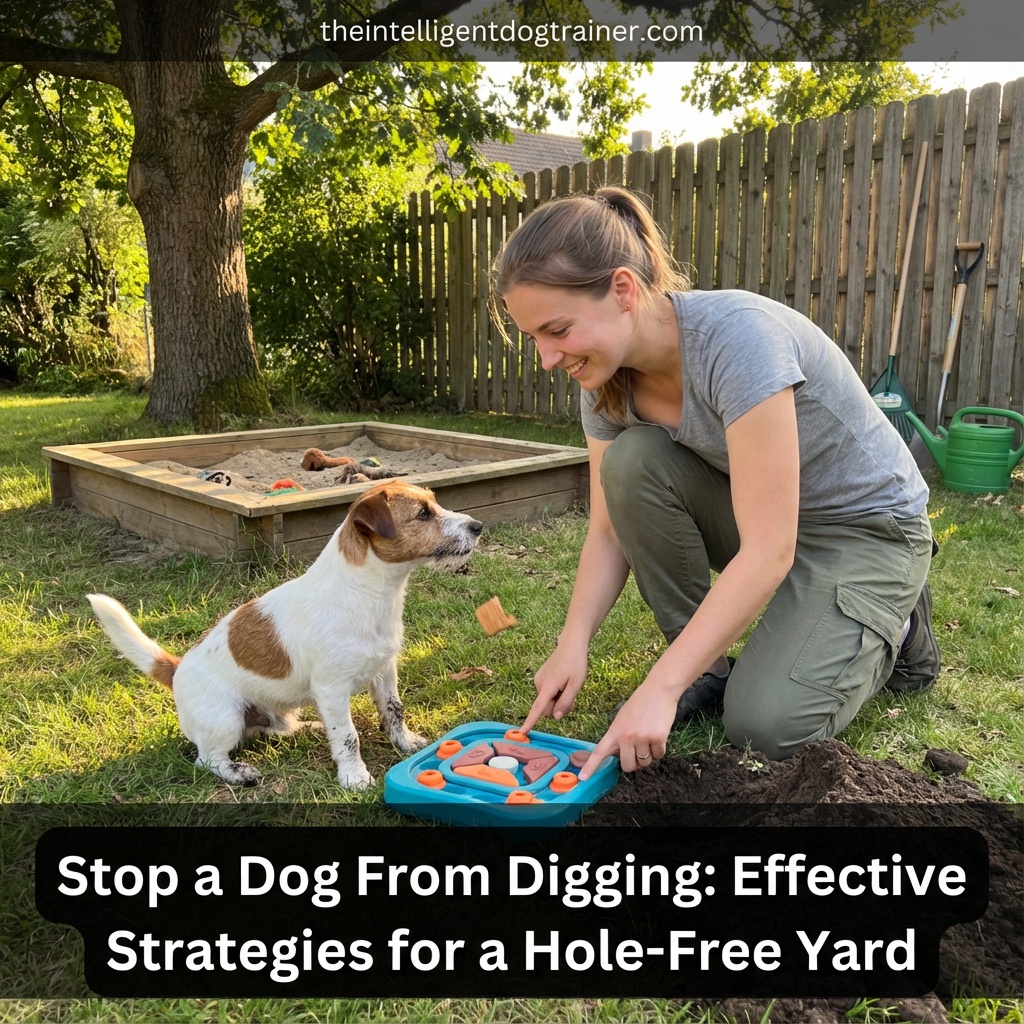
Watching a once-pristine lawn transform into a landscape of craters and trenches is a unique brand of frustration for any homeowner. Whether your pet is excavating a cooling spot under the shade of an old oak or carving out a path along the property line, figuring out how to stop a dog from digging begins with a shift in perspective.
It is vital to recognize that these behaviors usually stem from deep-seated natural instincts rather than a desire to be destructive. This guide covers a range of practical, modern strategies to help you protect your landscaping while ensuring your companion remains happy and mentally engaged throughout 2025.
Understanding the Root Causes: Why Do Dogs Dig Holes?
To solve any behavioral issue, you first need to look at the motivation: why do dogs dig holes in the backyard? For many canines, this is a lingering survival mechanism utilized by their ancestors to hunt underground prey, regulate body temperature in a cool burrow, or protect valuable food sources.
In our modern homes, however, a common question arises: is digging a sign of boredom or anxiety in dogs? More often than not, the answer is a resounding yes. When a backyard lacks opportunities for mental engagement, it quickly becomes a canvas for undesirable habits.
When a dog feels under-stimulated or has a surplus of nervous energy, they essentially invent their own “job” to do. You might notice your pet suddenly digging holes in the yard following a disruption in their daily routine.
This is especially true if they haven’t been introduced to modern dog training techniques that help channel their focus. It is also worth noting that specific breeds are more prone to digging by nature.
Terriers and Hounds, for example, were historically developed to pursue animals that live in burrows, a fact well-documented on Wikipedia. Many frustrated owners ask: can physical exercise help stop a dog from digging?
The answer is almost always yes; a physically and mentally tired dog is far less likely to remodel your garden.
Managing Young Pets: How to Stop Puppy Digging in the Garden
Puppies are naturally inquisitive, exploring their environment with their mouths and, quite frequently, their paws. If you are struggling to stop puppy digging in garden areas, a proactive approach is your best defense.
Young dogs often begin digging simply because they caught an interesting scent or are experiencing a burst of “zoomies” that needs a physical outlet. This makes it essential to stay present during their outdoor time, allowing you to redirect their attention immediately.
This type of consistent guidance is a cornerstone of early development, similar to the effort required when you properly socialize a puppy to navigate the world with confidence.
If you happen to catch them mid-excavation, many wonder: should I punish my dog if I catch them digging a hole? Harsh corrections are typically counterproductive and can lead to anxiety.
Instead, interrupt the action with a neutral but firm “no” and immediately pivot to a game of fetch or a favorite chew toy to show them where their energy actually belongs.
Security Solutions to Stop Your Dog From Digging Under the Fence
Few behaviors are as stressful as a pet attempting to tunnel their way out of the yard. Mastering how to stop dog from digging under fence lines is a critical safety priority.
Frequently, this “escape artist” behavior is sparked by a high-value distraction on the other side, like a neighboring pet or local wildlife. To stop my dog from digging under the fence to escape, consider physical reinforcements like burying chicken wire at the base of the perimeter.
You may also place heavy decorative stones along the bottom of the fence panels to make digging impossible. While physical barriers provide an immediate fix, they are most effective when supported by foundational training.
Learning how to train a dog to respect boundaries and respond to a reliable recall provides a necessary safety net.
Some pet owners question if neutering my dog will stop them from digging, and while this procedure can diminish the instinctual drive to roam, it rarely serves as a total solution for deeply ingrained habits.
Creative Outlets: How to Design a Dedicated Digging Pit for Dogs
On occasion, the most effective way to preserve your turf is to work with your dog’s instincts rather than against them. By choosing to create a digging pit for dogs, you offer a designated, “legal” zone for their natural behavior.
You might ask: how can I create a designated digging zone for my dog? The process is quite straightforward: use a simple wooden border or a repurposed plastic sandbox filled with clean sand or loose, soft earth.
To make this spot more attractive than your flower beds, hide a few toys or treats just under the surface to reward them for using their new area. This strategy mirrors the logic of confinement training.
This is similar to when you learn how to crate train a dog the right way. By providing a clear boundary for where digging is permitted, you respect the animal’s biological needs while keeping your landscaping intact.
Once your dog realizes that the pit is the only place where “treasures” are found, they will likely lose interest in the rest of the yard.
Safe and Natural Home Remedies to Deter Digging Behavior
For those who prefer a more hands-on DIY strategy, there are various home remedies to stop dog digging that use scents dogs naturally find off-putting.
Many gardeners have found success by scattering citrus peels, coffee grounds, or a light spray of diluted vinegar in areas where the dog has previously dug. These serve as a mild but effective sensory deterrent.
When people ask what are effective home remedies to prevent dogs from digging?, a time-tested trick is to place a small amount of the dog’s own waste in the hole, as most canines avoid digging in soiled areas.
Using these types of deterrents is a standard management tactic, very similar to the way you might stop a dog from chewing on table legs by applying a bitter-tasting spray.
These natural approaches are generally safe for your plants and your pet. Just ensure that whatever you use is non-toxic; the objective is simply to make the act of digging less appealing, never to harm your furry companion.
Expert Advice on Choosing the Best Dog Digging Repellent
If home-brewed solutions don’t yield the desired results, it may be time to seek out the best dog digging repellent available commercially. These products typically come in granules or sprays.
They often contain Capsaicin, which produces a spicy, pungent sensation that discourages sniffing and pawing in that specific area.
A common concern for owners is: how long does it take for a repellent to start working? While the deterrent effect is usually immediate, these products do require regular reapplication, especially after heavy rain.
While a repellent addresses the physical behavior, it doesn’t necessarily solve the underlying frustration or vocalization a dog might exhibit when their routine is restricted.
It is helpful to approach this with the same level of patience required when you want to stop a dog from barking at every passing car.
By pairing sensory deterrents with consistent training and more frequent daily walks, you ensure your dog feels satisfied and has no reason to turn your lawn into a construction site.
In the end, successfully managing a digging dog requires a balanced strategy of physical prevention, smart deterrents, and plenty of positive reinforcement.
By determining whether the behavior is driven by heat, boredom, or sheer instinct, you can customize your response with tools like digging pits or enhanced exercise. Consistency remains the most important factor in keeping your yard looking its best.